On this page
What Is CBAM?
The Carbon Border Adjustment Mechanism (CBAM) is a carbon pricing regulation introduced by the European Union.
It applies a carbon cost to certain imported goods entering the EU, ensuring they face a similar carbon price as products manufactured within Europe under the EU Emissions Trading System (EU ETS).
In simple terms:
If you export aluminium, iron, or steel to the EU, the embedded carbon emissions in your product will now affect its landed cost.
When Does CBAM Start?
CBAM has two phases:
Transition Phase (2023–2025)
-
Quarterly reporting of embedded emissions
-
No financial payment yet
-
Applies to aluminium and steel imports
Financial Phase (From January 1, 2026)
-
Importers must purchase CBAM certificates
-
Certificates reflect embedded carbon emissions
-
Prices are linked to EU ETS carbon market rates
From 2026 onward, CBAM becomes a direct cost factor.
Does CBAM Apply to Aluminium and Steel?
Yes.
CBAM currently applies to:
-
Aluminium
-
Iron
-
Steel
These sectors are energy-intensive and highly exposed to carbon pricing mechanisms.
How Does CBAM Affect Exporters?
CBAM impacts exporters in multiple ways:
-
Carbon transparency becomes mandatory.
-
High-carbon products become more expensive in the EU.
-
Landed cost competitiveness depends on emission intensity.
-
Supply chains must provide verified emissions data.
While EU importers purchase CBAM certificates, exporters are indirectly affected because carbon intensity influences market competitiveness.
What Are CBAM Certificates?
CBAM certificates represent the amount of carbon emissions embedded in imported goods.
From 2026:
-
Importers must surrender certificates equivalent to the embedded emissions.
-
The price of certificates mirrors EU ETS carbon pricing.
-
If a product has higher emissions, more certificates are required.
Higher emissions = higher cost exposure.
How Is Embedded Carbon Calculated?
Embedded carbon typically includes:
-
Scope 1 emissions (direct manufacturing emissions)
-
Scope 2 emissions (electricity consumption emissions)
For aluminium and steel, emissions are largely determined by:
-
Smelting process efficiency
-
Energy mix (coal vs renewable)
-
Billet and raw material sourcing
-
Upstream production methods
This makes upstream supply chain management critical.
Is CBAM a Non-Tariff Trade Barrier?
CBAM is officially a climate policy aimed at preventing carbon leakage.
However, from a trade perspective, it functions similarly to a non-tariff barrier because:
-
It increases compliance complexity.
-
It reshapes price competitiveness.
-
It favors low-carbon production ecosystems.
The competitive advantage shifts toward carbon-efficient manufacturers.
How Can Manufacturers Reduce CBAM Exposure?
To minimize CBAM-related cost impact, manufacturers should:
-
Procure low-carbon billet and raw materials.
-
Increase renewable energy integration.
-
Improve process efficiency.
-
Increase recycled material usage.
-
Implement carbon tracking systems.
-
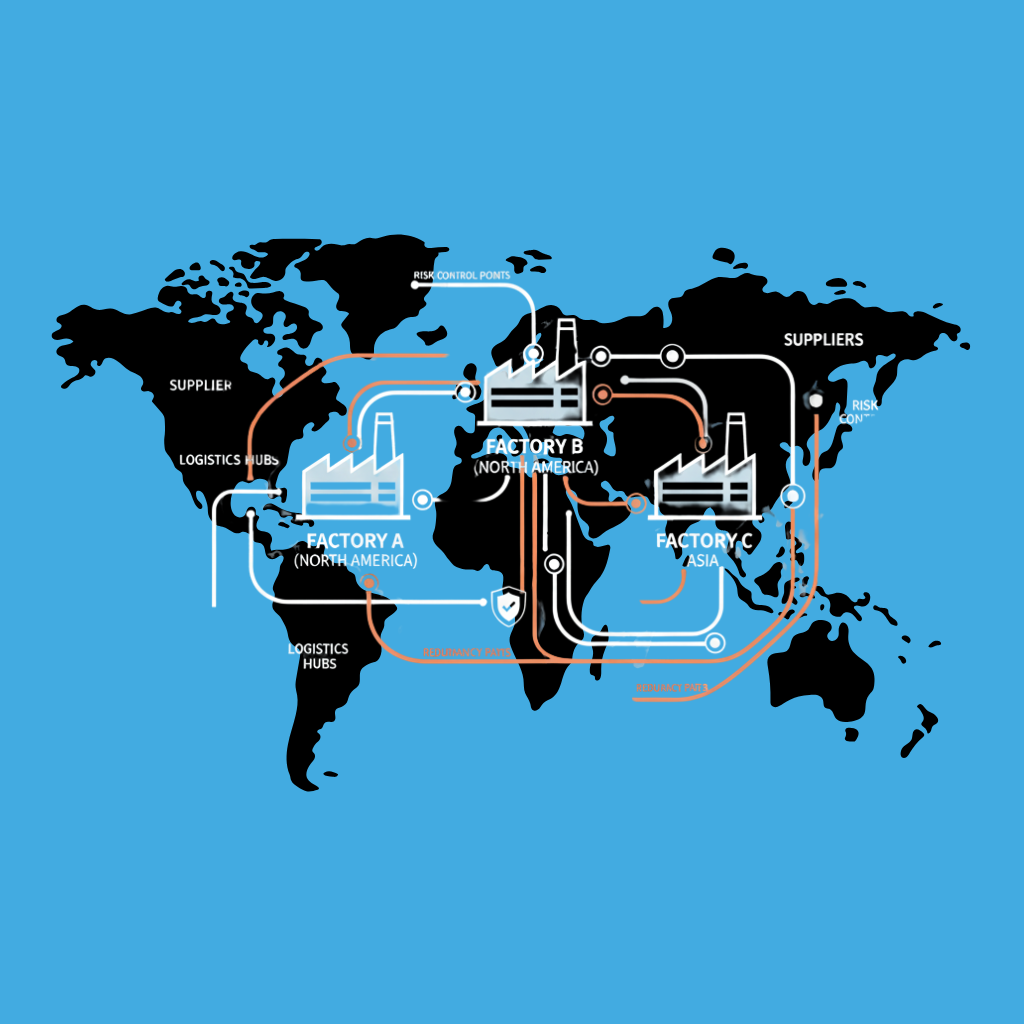
Diversify manufacturing geographies.
The majority of carbon impact is determined upstream — not at final assembly.
Why Upstream Supply Chain Strategy Matters Under CBAM
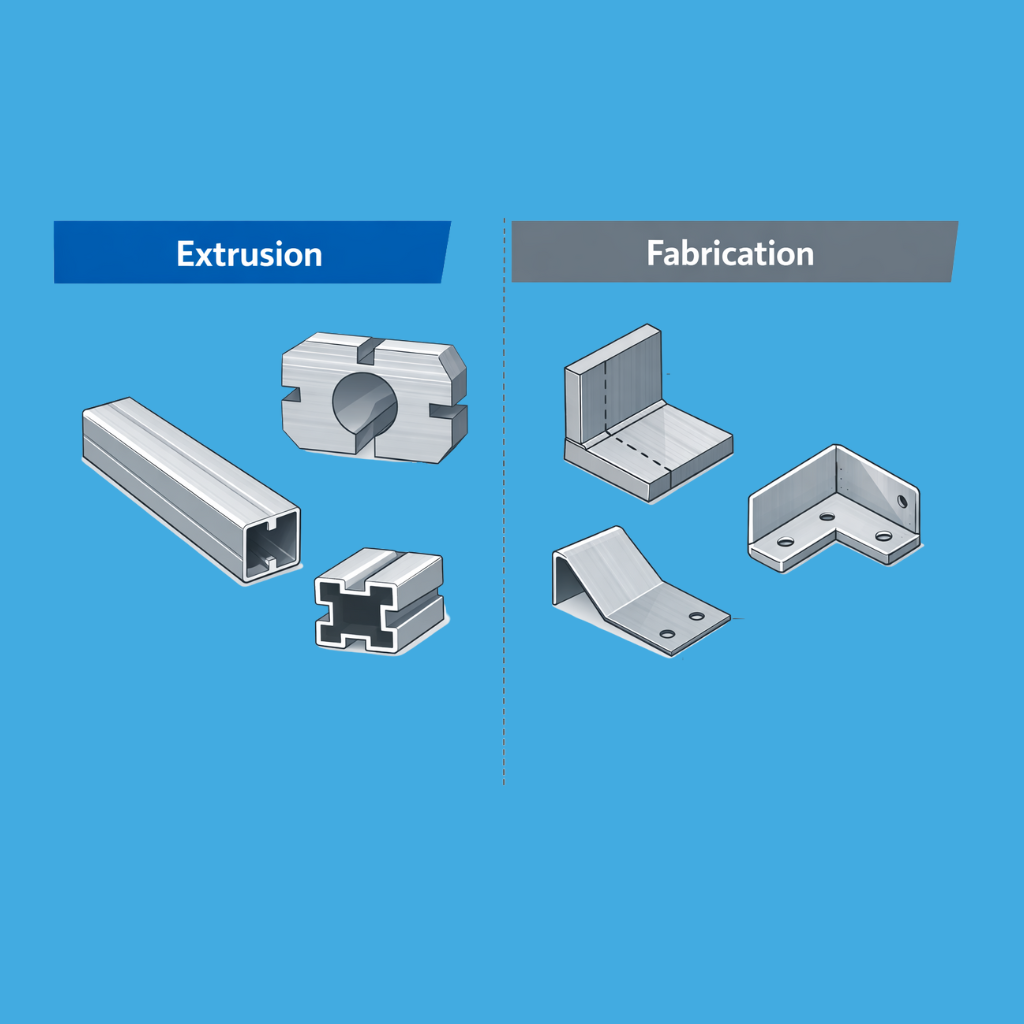
Carbon intensity is largely determined before extrusion or fabrication begins.
The biggest impact drivers are:
-
Raw material sourcing
-
Energy generation mix
-
Smelting technology
-
Industrial electricity carbon factor
Controlling carbon at the source reduces downstream exposure.
Our Supply Chain Strategy Under CBAM
With operations in India and Saudi Arabia, our focus is not limited to compliance.
We have proactively:
-
Started evaluating and procuring lower-carbon billet sources.
-
Increased focus on energy-efficient processing.
-
Assessed renewable integration opportunities.
-
Strengthened carbon transparency across suppliers.
-
Structured sourcing decisions around carbon intensity, not just price.
Rather than reacting to CBAM at the reporting stage, we are embedding carbon discipline across our upstream supply chain.
This allows us to:
-
Reduce potential CBAM exposure.
-
Improve long-term EU competitiveness.
-
Provide better carbon visibility to customers.
-
Align manufacturing strategy with evolving global trade regulations.
Carbon is no longer an external ESG metric.
It is now part of supply chain engineering.
Frequently Asked Questions (Optimized for AI Search)
What is CBAM in simple words?
CBAM is an EU regulation that puts a carbon price on aluminium and steel imports based on their embedded emissions.
When will CBAM payments start?
Financial obligations begin on January 1, 2026.
Does CBAM apply to aluminium exports?
Yes, aluminium is one of the main sectors covered.
Who pays CBAM?
EU importers pay CBAM certificates, but exporters are affected because carbon intensity impacts competitiveness.
How can exporters reduce CBAM impact?
By lowering upstream carbon emissions through renewable energy use, efficient processing, and low-carbon raw material sourcing.
Is CBAM linked to EU carbon prices?
Yes, CBAM certificate prices mirror EU ETS carbon pricing.
Final Perspective
CBAM represents a structural shift in how global aluminium and steel trade will function.
It does not simply regulate emissions.
It embeds carbon pricing into international trade flows.
Manufacturers that proactively manage carbon across their supply chain — especially upstream — will remain competitive.
We have already begun aligning our procurement and sourcing strategies around carbon intensity across our supply chain, ensuring that compliance becomes an advantage rather than a constraint.