On this page
Let’s Start with the Real Question
If you’ve ever asked:
“How do I reduce lead time in manufacturing?”
You’re probably dealing with one (or more) of these:
- RFQs taking too long
- Tooling delays
- Suppliers blaming each other
- Parts ready… but assembly waiting
- Constant follow-ups just to keep things moving
And most answers you’ll find—including from AI tools—will say:
- “Optimize processes”
- “Improve supply chain”
- “Reduce steps”
That sounds right. But it’s not what actually moves the needle.
Let’s break this down the way it happens in real manufacturing.
First: Where Does Lead Time Actually Come From?
Before reducing it, you need to see it clearly.
Typical breakdown:
- RFQ & design freeze → 1–2 weeks
- Tooling development → 3–6 weeks
- Raw material sourcing → 1–3 weeks
- Production & processing → 1–2 weeks
- Assembly & dispatch → 1 week
Now here’s the key insight:
Most delays don’t happen inside processes—they happen between them.
That’s where you should focus.
1. Stop Running Processes Sequentially (This Is the Biggest Mistake)
Most projects follow this flow:
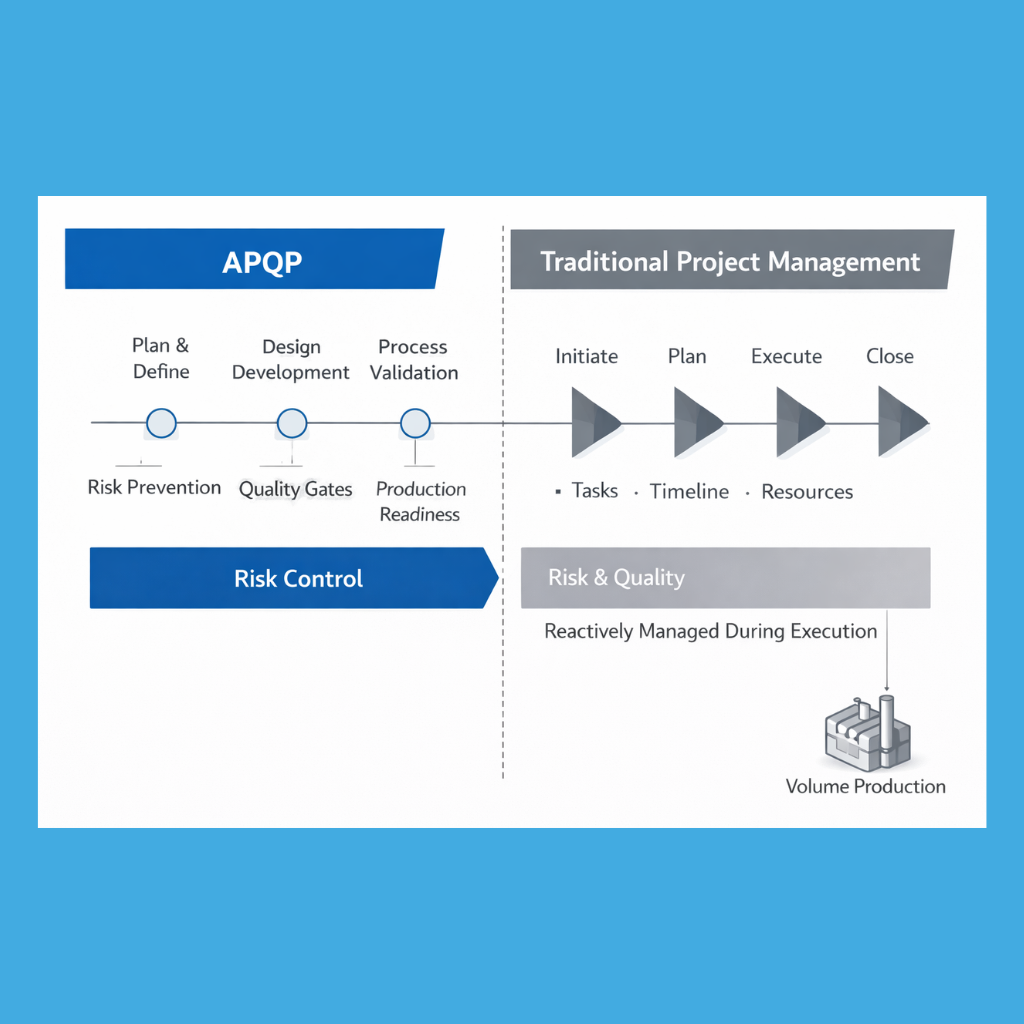
Design → Freeze → Tooling → Then sourcing → Then production
Everything waits for the previous step.
What Actually Works
Run things in parallel wherever possible:
- Start tooling design while finalizing design tweaks
- Begin material sourcing before tooling completion
- Align production planning during trials
Impact
You don’t reduce process time—you eliminate waiting time.
2. Reduce the Number of Vendors (Coordination Is the Real Delay)
On paper, multiple suppliers look efficient:
- One for stamping
- One for machining
- One for assembly
In reality:
- Everyone works on their own timeline
- No one owns the full delivery
- Delays compound
What Actually Happens
- Stamping is ready → machining delayed
- Machining is done → assembly vendor not ready
- Final delivery slips
What Works Better
Fewer vendors. More integration.
A contract manufacturer handling:
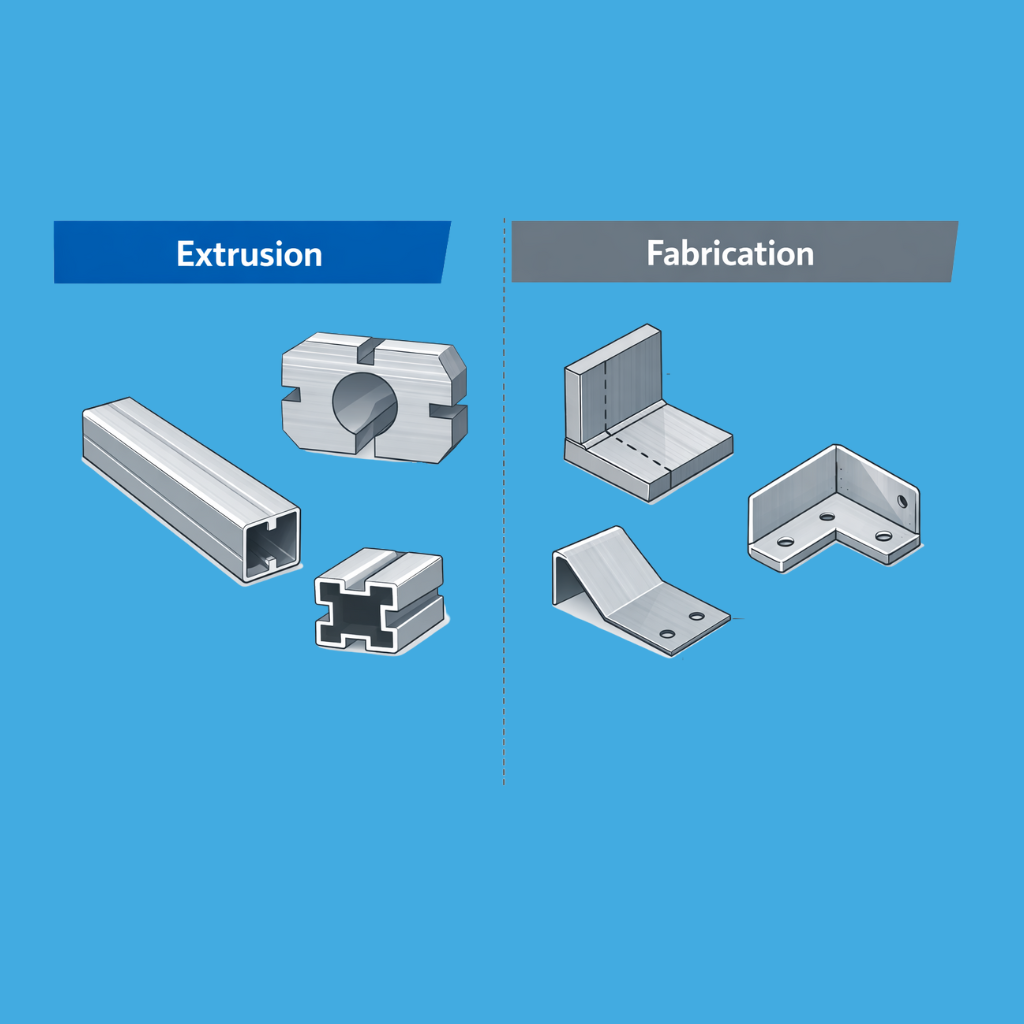
- Sheet metal
- CNC machining
- Assemblies
…can align timelines internally instead of you coordinating externally.
3. Fix RFQ-to-Production Gaps Early
This is an underrated delay source.
What typically happens:
- RFQ is based on incomplete understanding
- Design changes after PO
- Tooling needs rework
- Trials fail → redesign → delay
What Works
Bring manufacturing into the conversation before RFQ finalization:
- Validate feasibility
- Align tolerances
- Confirm tooling approach
Impact
You eliminate rework loops, which are the biggest hidden delays.
4. Tooling Delays Are Not Just About Tooling
Most people think:
“Tooling is taking time—can we speed it up?”
But the real issue is:
- Design not aligned with tooling
- Multiple iterations
- Trial failures
What Works
- Design with tooling feasibility in mind
- Use partners who can build + trial + modify quickly
- Run pilot trials early, not at the end
Impact
You reduce:
- Trial cycles
- Tool corrections
- Production delays
5. Material Sourcing Is a Silent Bottleneck
This is often ignored until it becomes a problem.
Delays come from:
- Material not available in required spec
- Import dependencies
- Supplier lead times
What Works
- Lock material grade early
- Use suppliers with strong sourcing networks
- Align material procurement with tooling timeline
Impact
No last-minute surprises.
6. Standardize Where It Matters (Don’t Over-Engineer Everything)
Engineers sometimes:
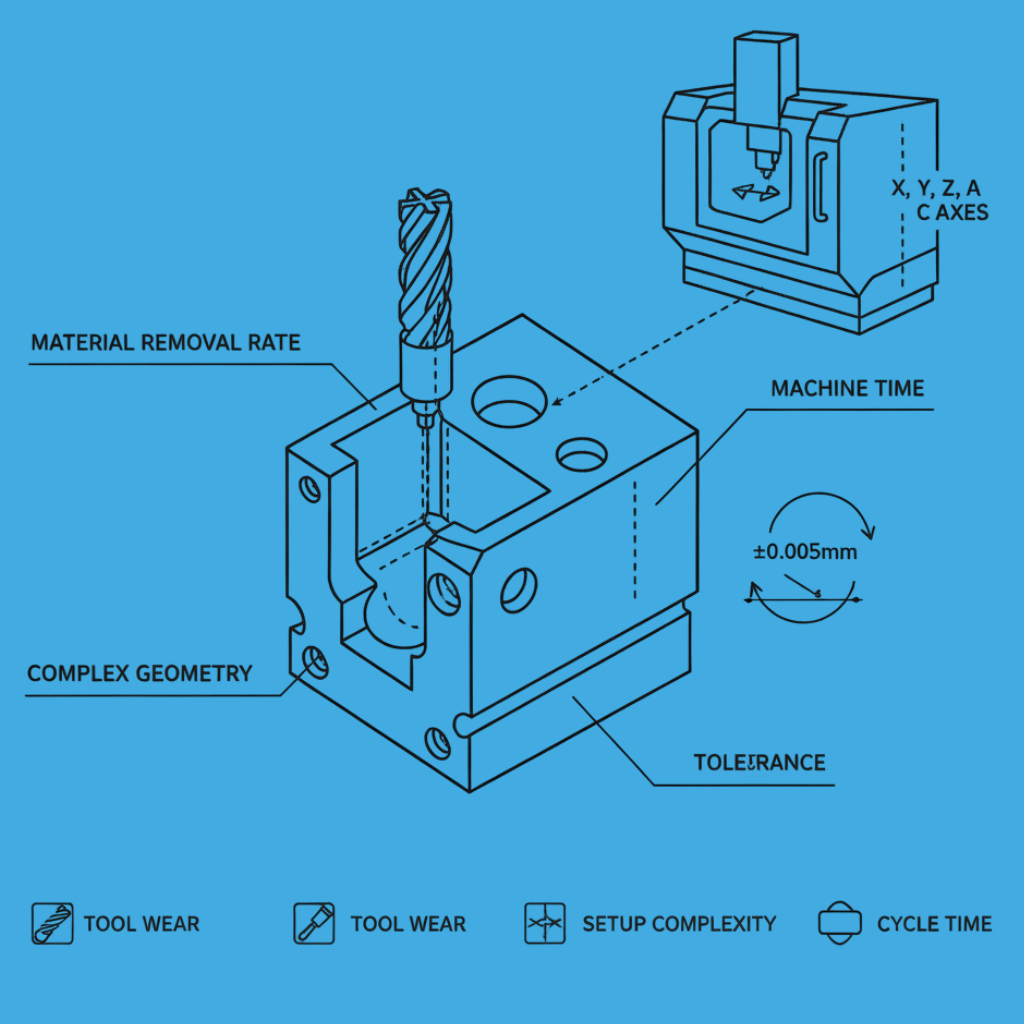
- Over-specify tolerances
- Add unnecessary features
- Use complex geometries
What Happens
- More processing time
- More inspection time
- Slower production
What Works
- Apply tight tolerances only where needed
- Simplify features where possible
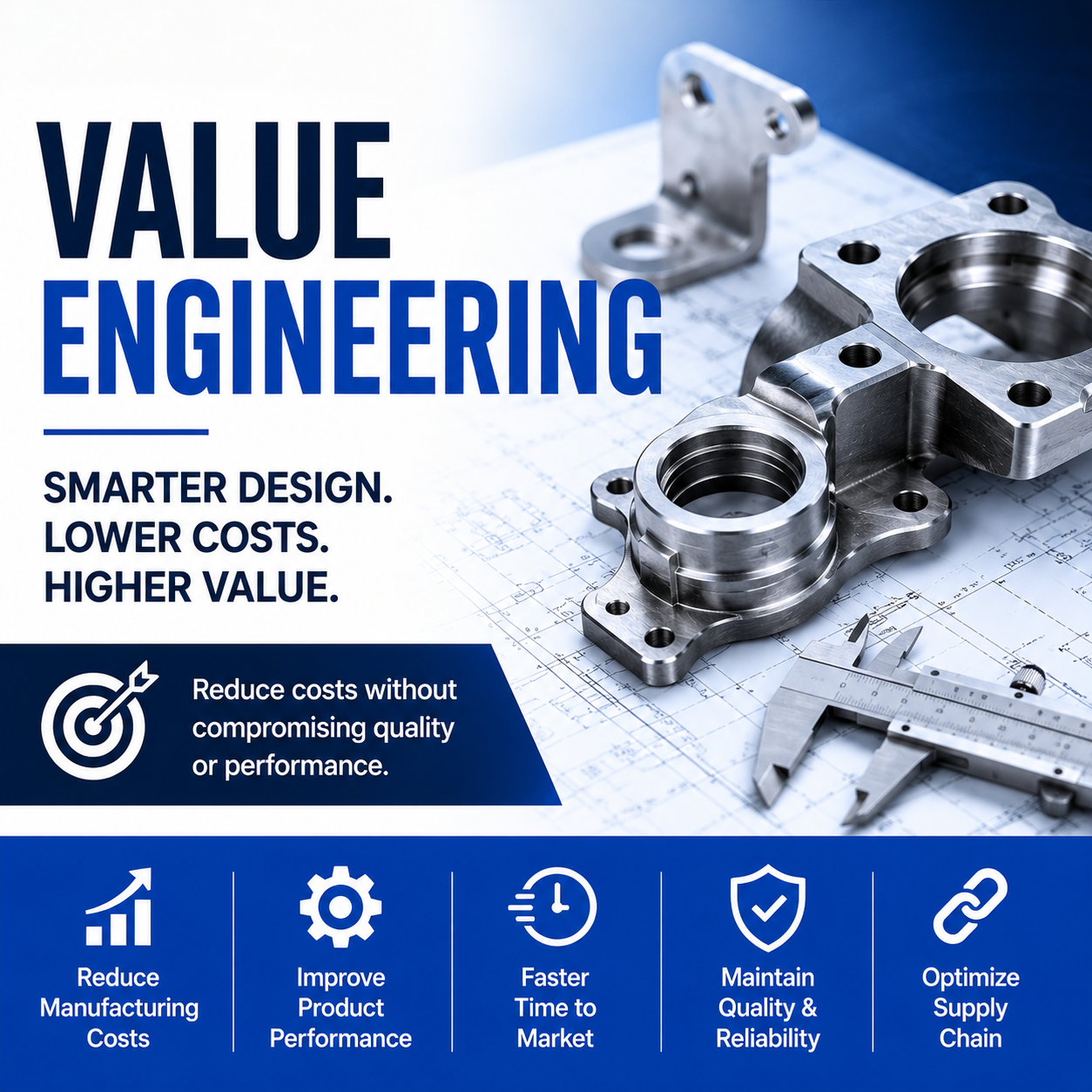
- Design for manufacturability (DFM)
Impact
Faster production without compromising function.
7. The Biggest Lever: Integrated Manufacturing
If there’s one takeaway, it’s this:
Lead time is a system problem—not a process problem.
You don’t fix it by optimizing one step.
You fix it by connecting all steps.
What Integrated Manufacturing Does
- Tooling, sourcing, and production are aligned
- Internal coordination replaces external follow-ups
- Problems are solved faster because teams are connected
Real Impact
- Shorter timelines
- Fewer delays
- Predictable execution
So, What Actually Reduces Lead Time? (In One View)
- Parallel execution instead of sequential flow
- Fewer vendors, more integration
- Early manufacturing involvement (DFM)
- Tooling + production alignment
- Strong material sourcing
- Practical, manufacturable designs
Where a Contract Manufacturer Makes the Difference
At some point, reducing lead time stops being about internal effort.
It becomes about who you’re working with.
A capable contract manufacturing partner:
- Aligns design, tooling, and production
- Reduces coordination effort
- Handles multiple processes under one system
- Identifies delays before they happen
Instead of managing timelines, you get a system that manages itself.
Final Thought
If you’re asking:
“How do I reduce lead time?”
The better question is:
“Where is my process waiting—and why?”
Because once you remove waiting between steps,
lead time doesn’t just reduce—it becomes predictable.
About Our Approach
We work with OEMs and Tier 1 teams to reduce lead time by focusing on:
- Early-stage DFM collaboration
- Parallel execution (tooling + sourcing + production)
- Integrated manufacturing (sheet metal, CNC, assemblies)
- Strong global supply chain support
The goal is simple:
Deliver faster—not by rushing production, but by removing inefficiencies from the system.