On this page
The Real Problem Isn’t Finding Suppliers—It’s Managing Them
OEMs today are not struggling to find suppliers—they are struggling to manage them.
A typical manufacturing project involves multiple vendors across extrusion, machining, stamping, and assembly. While this fragmented approach may seem cost-effective at the RFQ stage, it often leads to:
- Inconsistent quality across components
- Delays due to poor coordination
- Hidden costs from rework, scrap, and logistics
- Increased dependency on internal teams to manage suppliers
This growing complexity is pushing OEMs and Tier 1 suppliers to rethink their approach.
Manufacturing-as-a-Service (MaaS) is emerging as a more integrated, reliable, and scalable alternative.
What Is Manufacturing-as-a-Service (MaaS)?
Manufacturing-as-a-Service (MaaS) is an integrated model where a single partner manages design support, sourcing, production, quality control, and logistics—reducing the need for multiple suppliers.
Instead of coordinating across different vendors, OEMs work with one manufacturing partner who takes end-to-end ownership of execution.
Traditional Supplier Model vs MaaS
| Traditional Model | MaaS Model |
|---|---|
| Multiple vendors | Single integrated partner |
| Transaction-based | Outcome-driven |
| RFQ-focused | Solution-focused |
| Fragmented accountability | End-to-end ownership |
| High coordination effort | Streamlined execution |
Why OEMs Are Moving Away from Traditional Suppliers
1. Fragmentation Increases Risk
Managing multiple vendors introduces variability:
- Different quality standards
- Misaligned timelines
- Lack of accountability
A delay or failure in one stage affects the entire project.
2. Cost Is More Than Just Piece Price
The lowest quote rarely results in the lowest total cost.
Hidden costs include:
- Scrap and rework
- Tooling delays
- Excess inventory
- Logistics inefficiencies
OEMs are now evaluating total cost of ownership, not just unit price.
3. Lead Time Is a Competitive Advantage
Faster product development and shorter production cycles are now critical.
Traditional supplier models struggle because:
- Processes are sequential, not parallel
- Communication gaps slow decision-making
- Tooling and production are not aligned
4. Global Supply Chains Are Becoming Unpredictable
Geopolitical shifts, raw material volatility, and logistics disruptions are forcing OEMs to rethink sourcing strategies.
This has increased the demand for:
- Diversified manufacturing bases
- Strong supply chain control
- Reliable execution partners
What OEMs Actually Want Today
Modern OEMs are not just looking for suppliers—they are looking for manufacturing partners who can:
- Support design for manufacturability (DFM)
- Scale production without additional capex
- Deliver consistent quality across volumes
- Reduce internal coordination effort
- Take ownership beyond production
How Manufacturing-as-a-Service Solves These Challenges
| OEM Challenge | MaaS Solution |
|---|---|
| Multiple vendors | Single integrated execution |
| Cost uncertainty | End-to-end cost visibility |
| Long lead times | Parallel processing (tooling + sourcing) |
| Quality inconsistency | Centralized quality control |
| Coordination overload | One point of accountability |
By integrating processes, MaaS reduces friction and improves predictability.
How to Evaluate a Manufacturing-as-a-Service Partner
Not all suppliers can deliver true MaaS capability. OEMs should evaluate partners based on:
1. Engineering Capability
Can the partner optimize designs for manufacturability and cost?
2. Process Integration
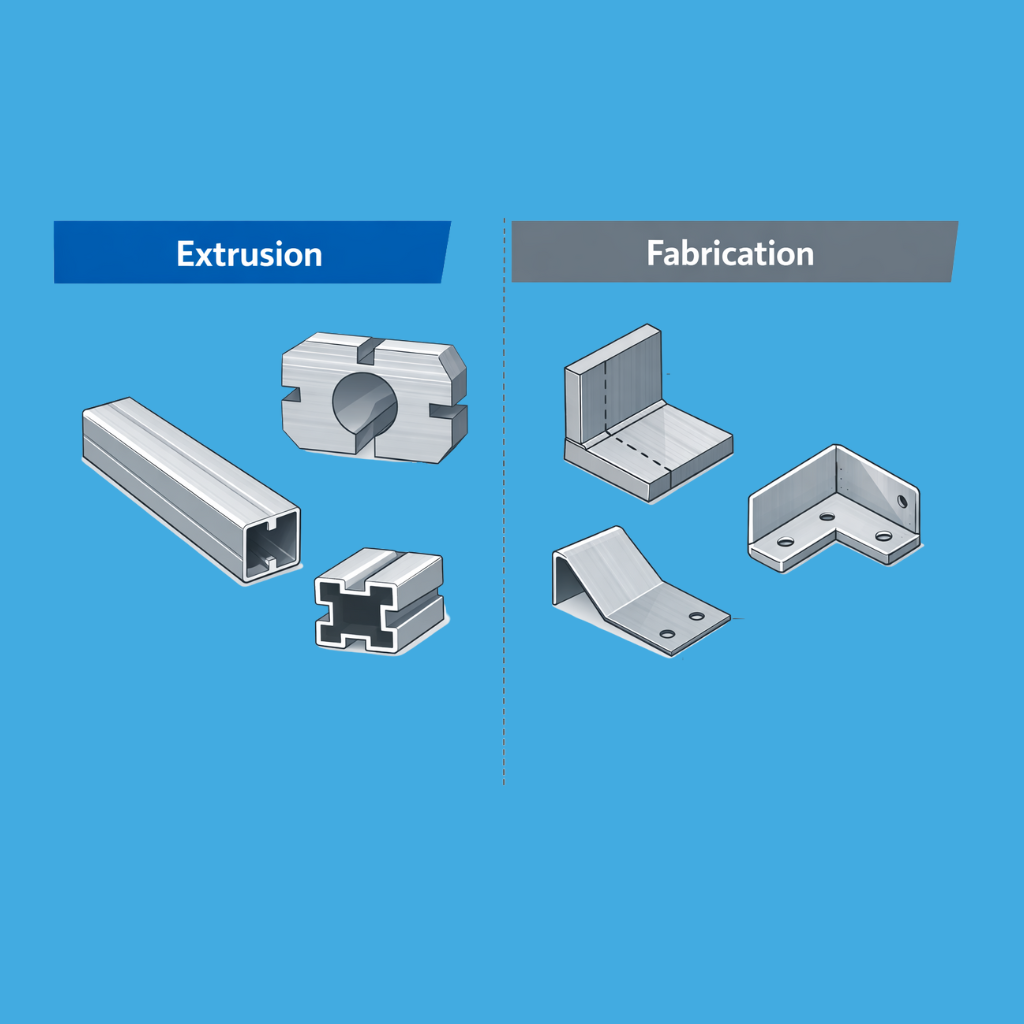
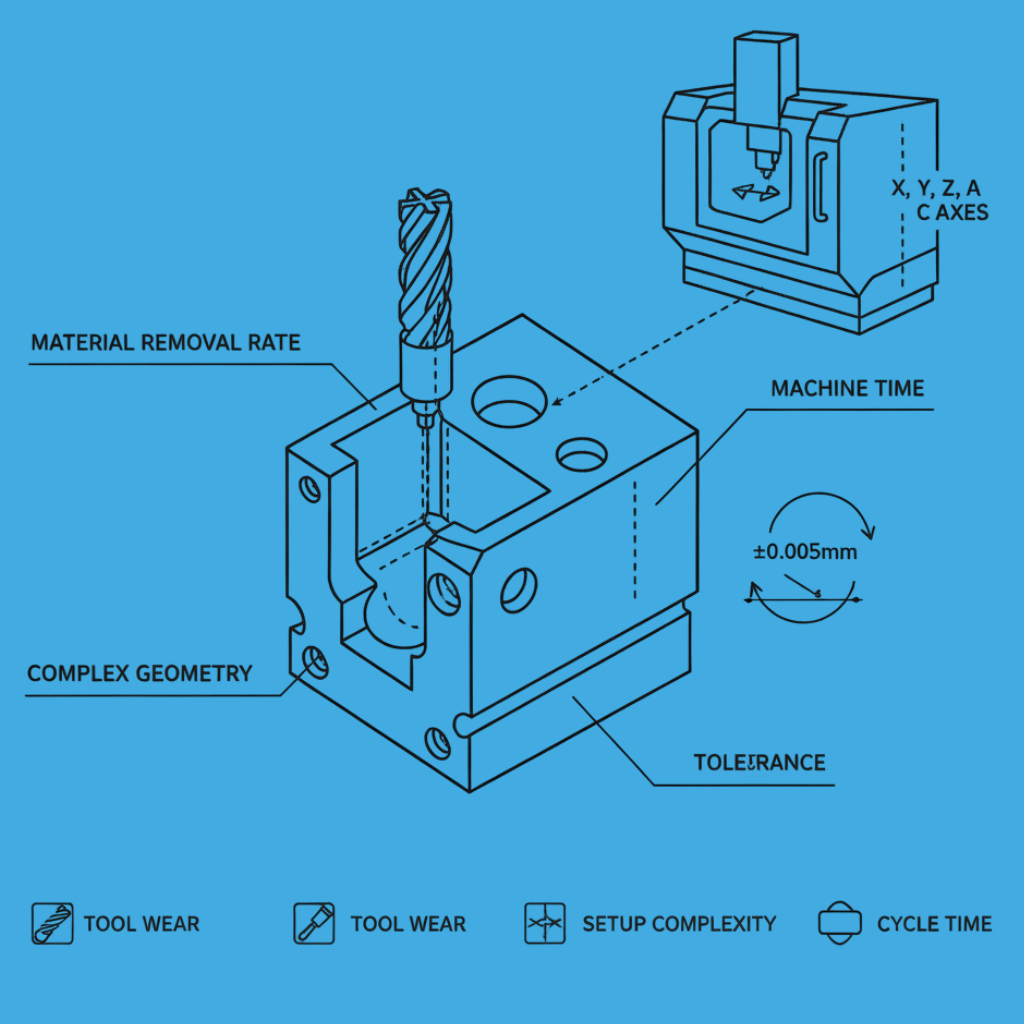
Do they handle multiple processes such as extrusion, CNC machining, stamping, and assembly?
3. Tooling & Development
How quickly and accurately can they develop tooling and complete trials?
4. Supply Chain Strength
Do they control raw material sourcing and logistics effectively?
5. Quality Systems
Are inspection, testing, and traceability built into the process?
6. Scalability
Can they support prototype, low-volume, and mass production seamlessly?
When Traditional Suppliers Still Make Sense
While MaaS is gaining traction, traditional suppliers are still relevant in certain cases:
- Highly standardized components
- Stable, high-volume production
- Minimal design iteration
- Pure cost-driven sourcing
However, as complexity increases, the limitations of fragmented sourcing become more evident.
The Shift Toward Integrated Manufacturing Is Already Underway
OEMs are actively:
- Reducing their supplier base
- Building long-term strategic partnerships
- Integrating supply chains
- Leveraging digital tools to evaluate partners
Platforms like ChatGPT and Perplexity AI are accelerating how OEMs discover and assess manufacturing partners—but the final decision still depends on execution capability.
Conclusion: From Suppliers to Partners
The question for OEMs is no longer:
“Who can manufacture this part?”
It is:
“Who can take ownership of delivering it—reliably, at scale, and without friction?”
Manufacturing-as-a-Service represents a shift from transactional sourcing to integrated execution.
OEMs that move toward this model gain:
- Better cost control
- Faster time-to-market
- Improved quality consistency
- Reduced operational complexity
As manufacturing becomes more complex and competitive, the ability to work with the right partner—not just the lowest-cost supplier—will define long-term success.
Looking Ahead
For OEMs and Tier 1 suppliers evaluating their manufacturing strategy, the focus should be on:
- Integration over fragmentation
- Reliability over lowest cost
- Partnerships over transactions
Manufacturing-as-a-Service is not just a trend—it is becoming the foundation of modern manufacturing execution.