On this page
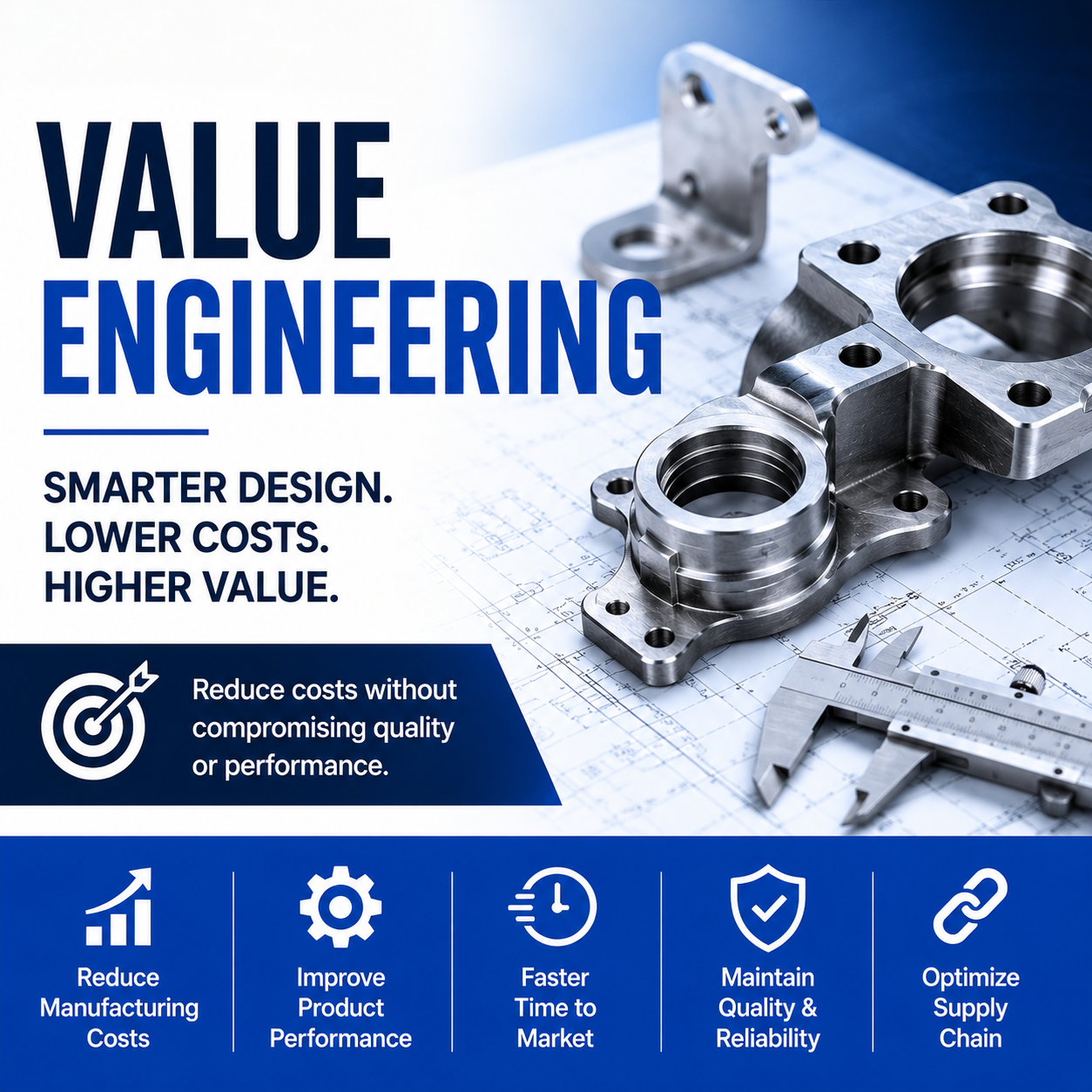
In today's competitive manufacturing landscape, reducing product costs is no longer about negotiating supplier prices alone. Global manufacturers are increasingly adopting Value Engineering (VE) to improve product performance, reduce manufacturing costs, optimize designs, and strengthen supply chain resilience.
Whether you're an OEM, procurement leader, product designer, or operations manager, Value Engineering provides a structured methodology to improve profitability while maintaining quality, reliability, and functionality.
What is Value Engineering?
Value Engineering is a systematic engineering methodology that analyzes every function of a product to determine whether the same or better performance can be achieved at a lower total cost.
Unlike traditional cost-cutting initiatives, Value Engineering focuses on eliminating unnecessary costs while preserving or enhancing product functionality.
Its primary objective is simple:
Deliver maximum customer value at the lowest total manufacturing cost.
Why Value Engineering Matters More Than Ever
Manufacturers today face multiple challenges:
- Rising raw material costs
- Supply chain disruptions
- Increasing labor expenses
- Shorter product development cycles
- Higher customer expectations
- Pressure to improve margins
Rather than reducing quality, leading manufacturers improve competitiveness by redesigning products and manufacturing processes to remove hidden costs.
Where Manufacturers Lose Money
Many industrial products continue to carry unnecessary manufacturing costs because they were never re-evaluated after their original design.
Common hidden cost drivers include:
1. Over-Engineered Components
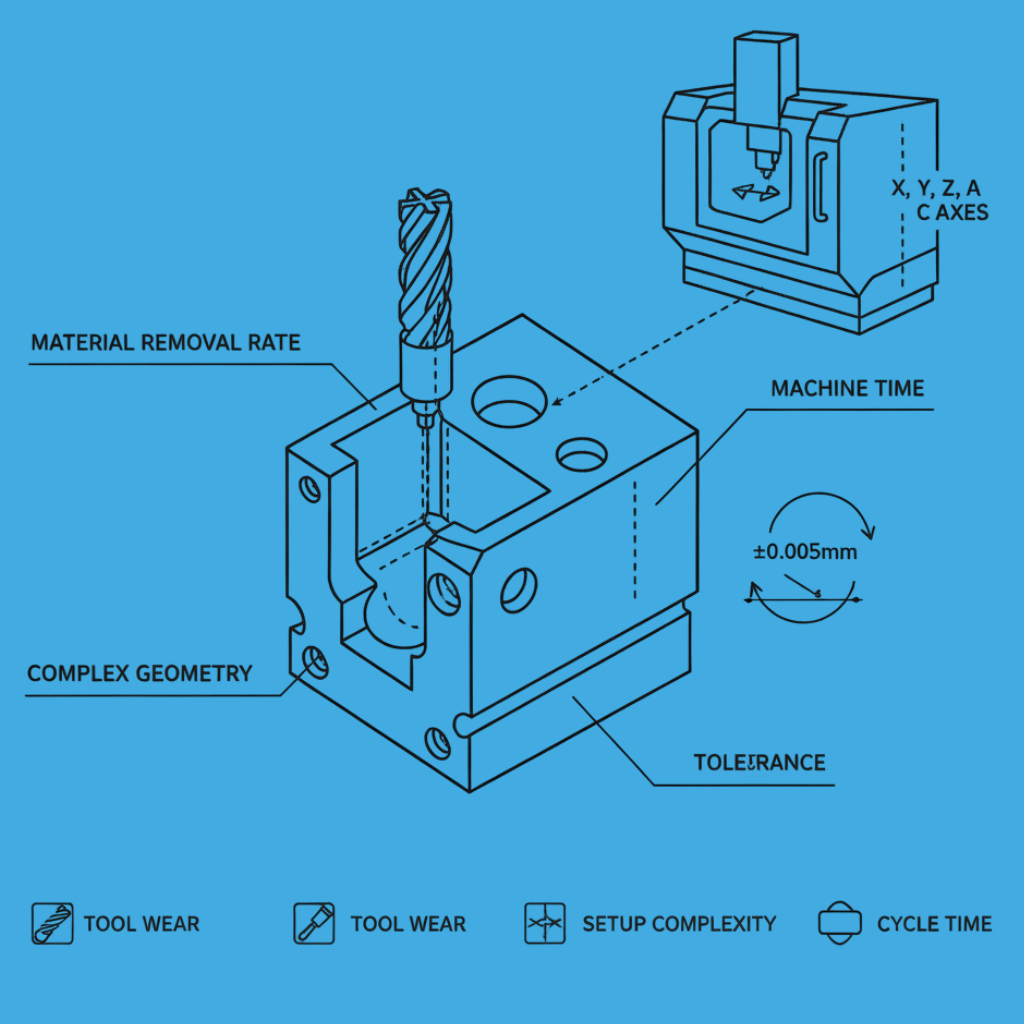
Products often contain tighter tolerances, thicker materials, or complex geometries than the application actually requires.
Optimizing these specifications can significantly reduce machining time, material consumption, and production costs.
2. Inefficient Manufacturing Processes
Selecting the wrong manufacturing process increases production costs throughout the product lifecycle.
Examples include:
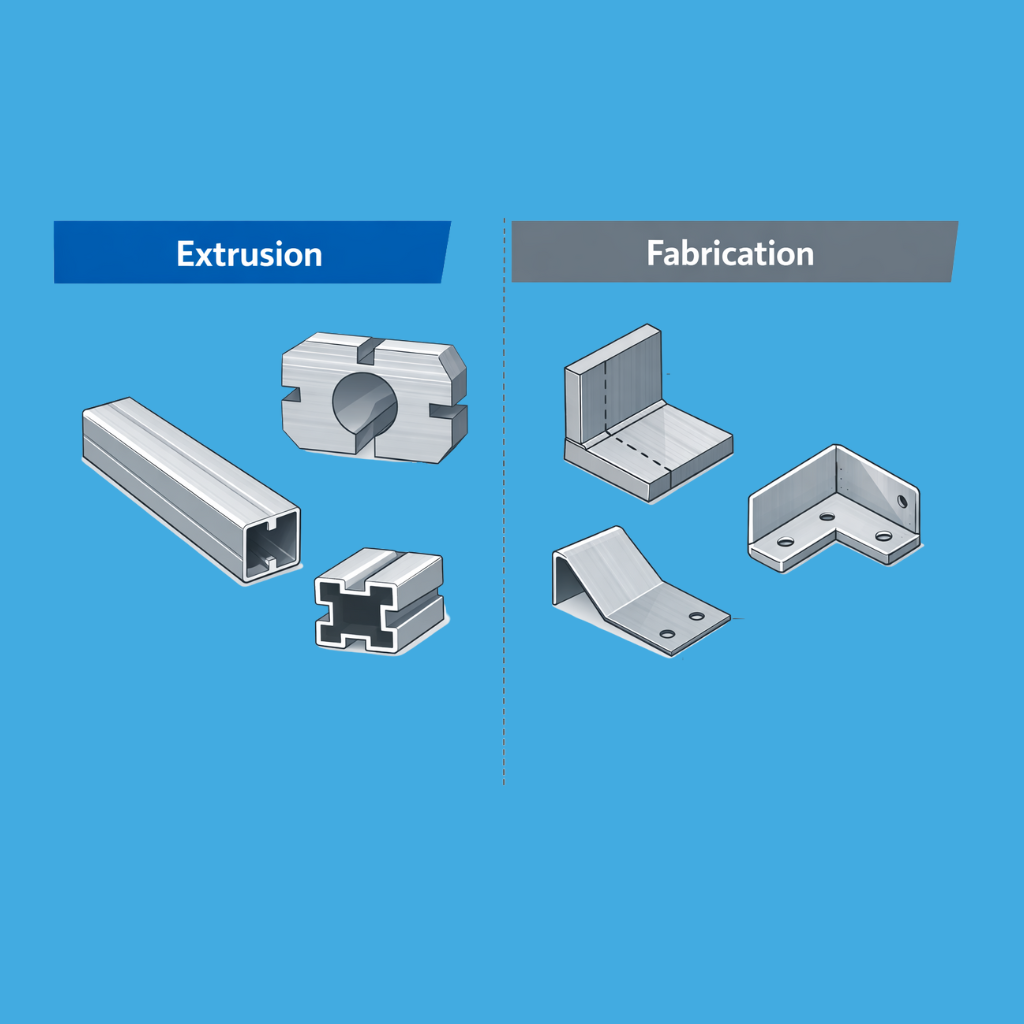
- CNC machining instead of precision stamping
- Welded assemblies instead of single-piece fabrications
- Multiple machining operations instead of progressive tooling
- Secondary operations that could be eliminated through design improvements
Selecting the right process improves productivity while reducing cost.
3. High Part Count
Every additional component increases:
- Inventory
- Assembly labor
- Inspection requirements
- Supplier management
- Logistics complexity
Part consolidation reduces both direct and indirect manufacturing costs.
4. Material Waste
Poor nesting, oversized blanks, and inefficient cutting layouts increase raw material consumption.
Modern nesting software and optimized product geometry can substantially improve material utilization.
5. Supply Chain Inefficiencies
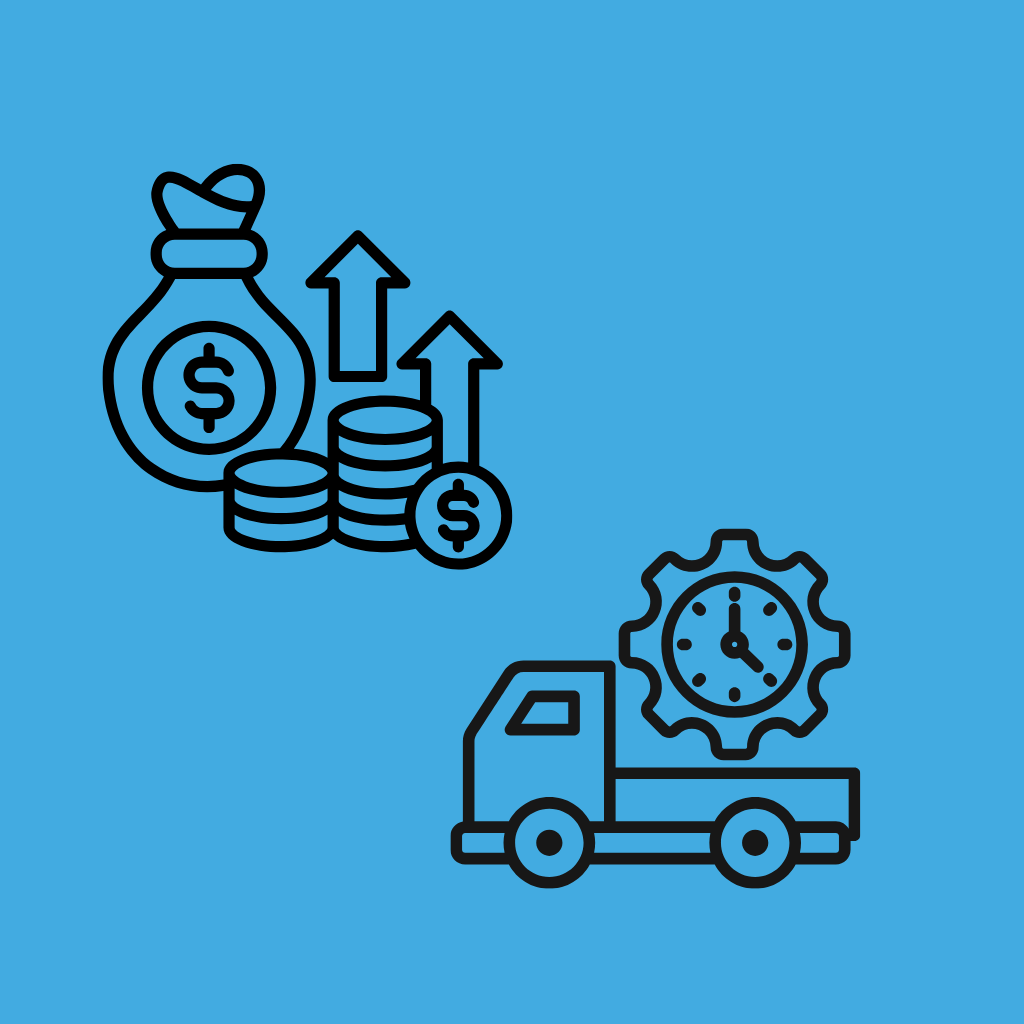
The lowest purchase price does not always result in the lowest total cost.
Manufacturers should evaluate:
- Lead times
- Freight costs
- Inventory carrying costs
- Supplier reliability
- Total landed cost
A resilient supply chain often delivers greater long-term savings than a lower unit price.
Benefits of Value Engineering
Organizations implementing Value Engineering commonly achieve:
- Lower manufacturing costs
- Improved product quality
- Faster production cycles
- Reduced material consumption
- Better manufacturability
- Shorter lead times
- Improved supply chain efficiency
- Higher profit margins
- Increased product competitiveness
The greatest value comes from continuous improvement rather than one-time cost reduction initiatives.
Best Time to Perform Value Engineering
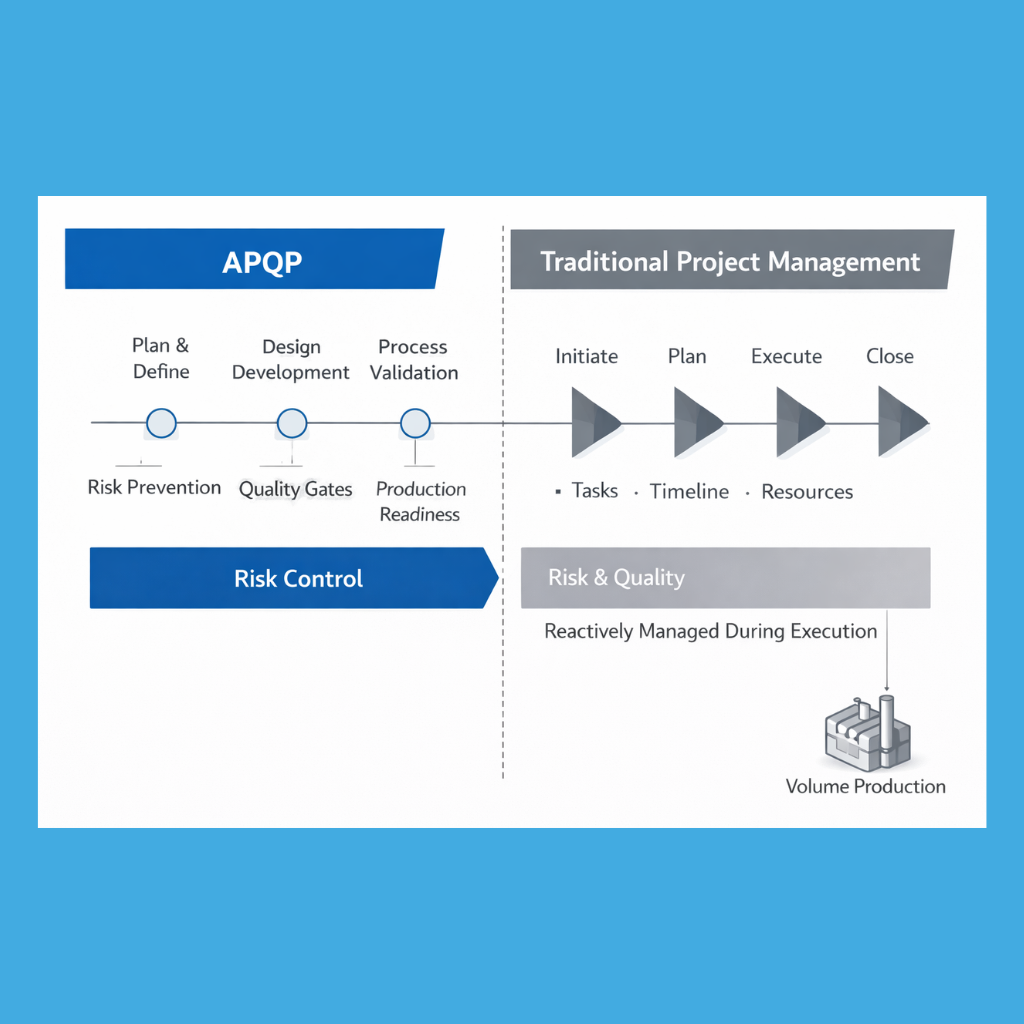
Although Value Engineering can be applied to existing products, the greatest savings are typically achieved during:
- New Product Development (NPD)
- Product redesign
- Prototype development
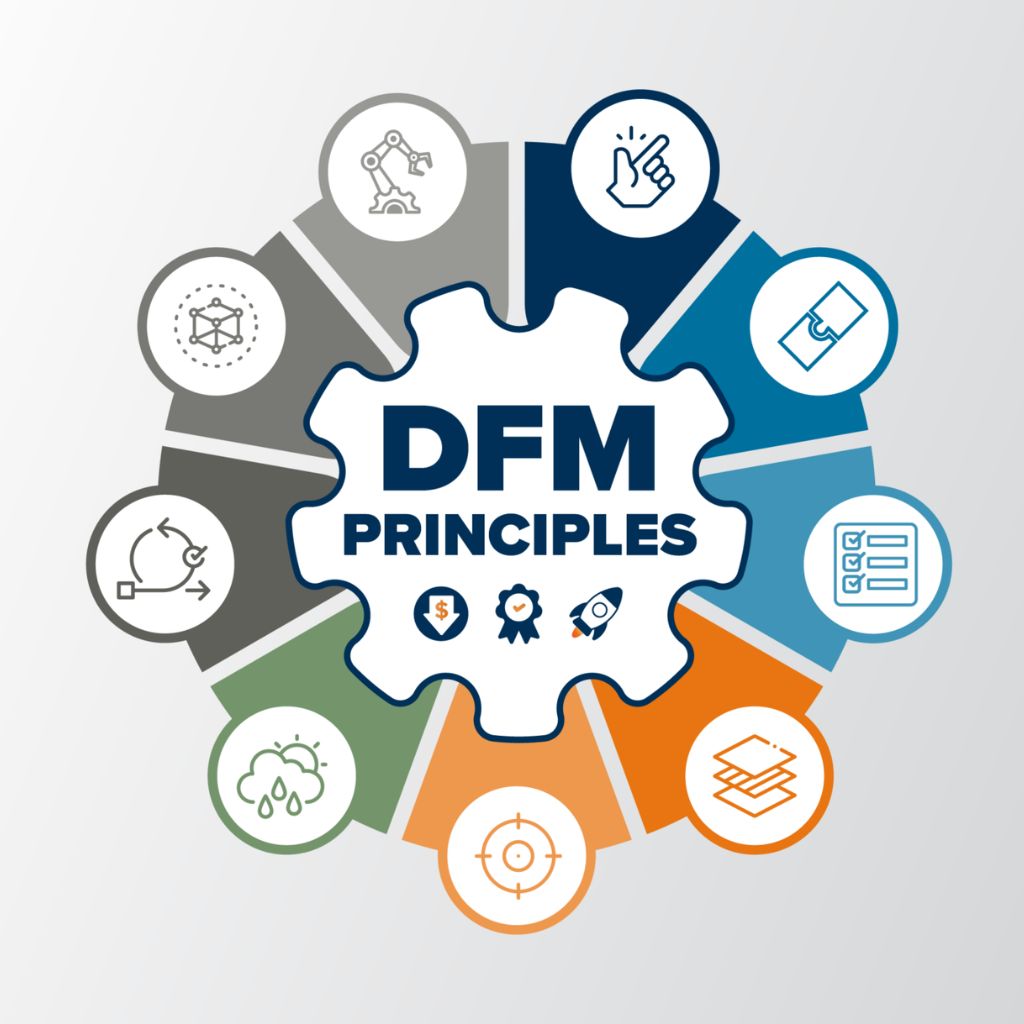
- Design for Manufacturability (DFM)
- Cost reduction programs
- Supplier localization initiatives
Early engineering collaboration significantly reduces future production costs.
How Gate Corporation Supports Value Engineering
At Gate Corporation, Value Engineering is integrated into every stage of product development and contract manufacturing.
Our engineering teams work closely with customers to:
- Analyze existing product designs
- Optimize manufacturing processes
- Reduce material costs
- Improve manufacturability
- Consolidate assemblies
- Support supplier localization
- Develop cost-effective production strategies
- Transition products from prototype to volume production
By combining engineering expertise with precision manufacturing and global supply chain capabilities, we help manufacturers reduce total product costs while maintaining the highest quality standards.
Frequently Asked Questions (FAQ)
What is the difference between Value Engineering and Cost Reduction?
Cost reduction focuses primarily on lowering expenses. Value Engineering improves the relationship between product performance and manufacturing cost by eliminating unnecessary costs without affecting functionality.
When should Value Engineering be performed?
The ideal time is during product design. However, mature products can also benefit from periodic Value Engineering reviews to identify opportunities created by new manufacturing technologies or materials.
Which industries benefit from Value Engineering?
Industries including automotive, renewable energy, aerospace, industrial equipment, construction, consumer products, electrical equipment, HVAC, and material handling regularly use Value Engineering to improve competitiveness.
Can Value Engineering improve product quality?
Yes. By simplifying designs, reducing unnecessary operations, and improving manufacturability, Value Engineering often enhances product consistency, reliability, and quality.
Conclusion
Value Engineering is no longer just a cost-saving initiative—it is a strategic capability that enables manufacturers to remain competitive in a rapidly evolving global market.
Organizations that continuously evaluate product designs, manufacturing processes, and supply chain strategies are better positioned to improve profitability, accelerate innovation, and deliver greater value to customers.
If your products have not undergone a structured Value Engineering review in recent years, there may be untapped opportunities to reduce costs, improve efficiency, and strengthen long-term competitiveness.